-
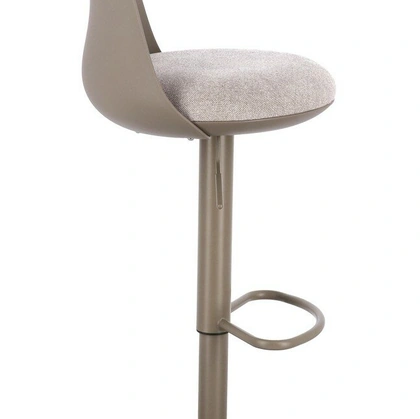
Dove posso acquistare la sedia Ludmilla di Bizzotto a Siniscola?
Puoi trovare la sedia Ludmilla di Bizzotto presso Mondo Casa Sas di Matzuzzi Nikolas, situato in Via G. F. Conteddu, snc a Siniscola. Il nostro team
i/ˈfaɪlɪŋˌsɪstəm/ (n.): an organizational system for documents or information, typically involving the creation and arrangement of files. Filing systems can be manual (e.g., paper-based) or electronic (e.g., digital folders, document management software). They are designed to facilitate efficient storage, retrieval, and management of information. Examples include alphabetical, numerical, chronological, and subject-based filing systems. A well-designed filing system is crucial for effective information governance and productivity. (e.g.,
-
How do I choose the right filing system for my business?
The best filing system depends on your business's specific needs and the type of information you manage. Consider factors like the volume of documents, frequency of access, security requirements, and regulatory compliance. Common systems include alphabetical (for names), numerical (for client IDs or invoices), chronological (for date-sensitive documents), and subject-based (for different categories of information). A hybrid approach combining elements of several systems is often effective. Consulting with an information management specialist can also provide tailored recommendations.
-
What are the benefits of implementing an electronic filing system?
Electronic filing systems offer numerous benefits over traditional paper-based methods. They significantly improve efficiency by allowing for quick search and retrieval of documents, reduce physical storage space requirements, and enhance security through access controls and encryption. Digital systems also facilitate collaboration, enable remote access, and support disaster recovery efforts. Furthermore, they contribute to environmental sustainability by reducing paper consumption and can streamline compliance with data protection regulations.
-
Can a filing system help with regulatory compliance?
Yes, a robust filing system is instrumental in achieving and maintaining regulatory compliance. By establishing clear procedures for document classification, retention, and disposal, businesses can ensure they meet legal and industry-specific requirements for data management. A well-organized system allows for easy auditing, demonstrates due diligence, and helps prevent penalties associated with non-compliance. Electronic systems, in particular, often include features like audit trails and automated retention policies that further support compliance efforts.
-
What are the common challenges when setting up a new filing system?
Setting up a new filing system can present several challenges. These often include resistance to change from employees accustomed to old methods, the initial time and effort required for planning and migration, and the potential for inconsistent application of new rules. Data security, integration with existing software, and ensuring scalability for future growth are also critical considerations. Overcoming these challenges requires clear communication, comprehensive training, and strong leadership commitment.
-
What is the difference between a centralized and decentralized filing system?
A centralized filing system stores all documents in one primary location, whether physical or digital, with access managed by a central authority. This promotes consistency and easier oversight but can create bottlenecks if not managed efficiently. A decentralized system, conversely, distributes documents across various departments or individual users, allowing for more localized control and quicker access within specific teams. However, it can lead to inconsistencies and challenges in overall information governance. The choice depends on organizational structure and collaboration needs.
-
How can I maintain an effective filing system over time?
Maintaining an effective filing system requires ongoing effort and discipline. Regularly review and update your system's structure and rules to adapt to changing business needs. Conduct periodic audits to ensure compliance and identify areas for improvement. Provide continuous training to staff on proper filing procedures and emphasize the importance of consistent application. Implement automated tools for tasks like archiving and retention where possible. A proactive approach will prevent the system from becoming disorganized and inefficient.